
What Are the Key Trends Shaping Planetary Concrete Mixers in 2026?
An expert engineering review profiling the core trends shaping planetary concrete mixers, including microwave moisture loops, Cr26 alloys, and multi-stage discharge gates.
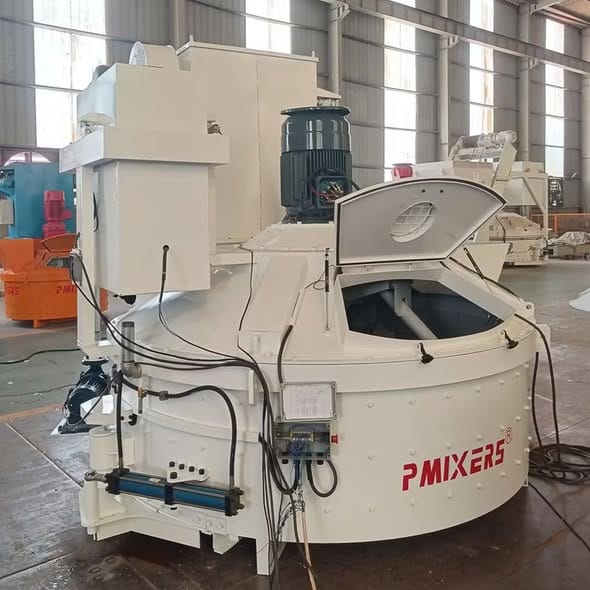
The global planetary concrete mixer industry is entering a new era of transformation, driven by the dual demands of carbon neutrality goals and intelligent construction. Latest market insights and technological breakthroughs show that green energy-saving technologies, full-process intelligent control, and lightweight structural optimization have become the three core trends reshaping the industry. The global planetary concrete mixer market is expected to maintain steady growth, with China, as a major production and consumption hub, contributing significantly to the sector’s expansion.Green innovation has become a core competitive factor under the global “dual carbon” strategy, with energy-saving upgrades and solid waste utilization leading the way. A pioneering advancement is the hybrid power system applied to planetary mixer trucks. Meanwhile, high-performance planetary mixers are accelerating the utilization of construction waste.Intelligent upgrading is revolutionizing production efficiency under Industry 4.0. Modern planetary concrete mixers are increasingly equipped with integrated intelligent control systems, realizing unmanned operation, precise metering, and error-free transportation. Smart mixing stations adopt a “dual-unit + intelligent control system” architecture, with digital control centers monitoring the entire production process in real time. AI-powered models analyze mixing data, adjust parameters dynamically, and predict equipment failures, while remote software upgrades ensure machines stay updated with the latest technologies without downtime.
The 4 Definitive Trends Dominating 2026 Planetary Configurations
1. Integration of Microwave-Frequency Moisture Telemetry ProtocolsStatic water-metering systems are obsolete in 2026. Premium planetary mixers now feature multi-point, floor-flush microwave moisture sensors (such as specialized Hydronix or Franz Ludwig arrays).
- The Millisecond Adjustment Loop: The central automation PLC monitors aggregate moisture changes at millisecond intervals during the dry-mixing phase. It automatically dynamically scales the water-injection sequence inside the pan to hold the water-to-cement ratio within an tight ±0.1% error margin, ensuring zero-slump concrete consistency.
2. Multi-Stage Hydraulic Discharging for Parallel Production LinesModern precast factories demand high operational layout flexibility. 2026 planetary configurations have abandoned single-gate footprints in favor of up to three independent, multi-stage hydraulic discharge floor doors.
- Production Line分流 (Splitting): A single 2.0 m³ planetary host can simultaneously discharge dry-cast concrete into a block-making machine via Door A, architectural face-mix into a paver line via Door B, and structural wet-mix into a pipe casting line via Door C.
3. Transition to Ultra-High-Hardness Wear Liners (62+ HRC Limits)Because planetary counter-current mixing stars generate massive shearing friction against the pan floor, standard manganese steel liners require frequent maintenance overhauls. 2026 builds standardize on High-Chromium (Cr26) or Ni-Hard 4 alloy steel castings.
- Extended Degradation Lifespan: These advanced castings push surface hardness parameters out past 62 HRC (Rockwell Hardness). This structural optimization shifts your major wear-parts replacement window past 150,000 to 180,000 batches, drastically slashing factory shutdown downtime.
4. Decentralized, High-Torque Planetary Gear Transmission NetworksTo handle the brutal shock loads of ultra-dry, fiber-reinforced structural concrete, engineering houses have replaced single-stage drivetrains with heavy-duty, decentralized multi-stage planetary gear reducers (frequently supplied by industrial lineages like Bonfiglioli or Rossi).
- Torque Vector Distribution: Splitting the electric motor's input torque across multiple rotating sun-and-planet gears prevents gear-tooth shearing accidents, minimizes operational noise decibels, and optimizes energy consumption efficiency metrics by up to 22%.
Technical Specifications: 2026 Wear Alloys Metallurgic MatrixThe materials data matrix below profiles the performance parameters of standard versus next-generation lining alloys utilized in premium 2026 vertical pan configurations.
| Metallurgic Alloy Grade | Average Surface Hardness | Primary Microstructure | Expected Lifecycle (Standard Aggregates) | Risk Factor / Operational Best Use |
|---|---|---|---|---|
| Standard Manganese (Mn13) | 35 to 45 HRC | Austenitic (Requires Impact) | 35,000 - 45,000 Batches | High wear risk under fine sand abrasion |
| Ni-Hard Type 4 (Premium) | 55 to 60 HRC | Martensitic + Carbidic | 95,000 - 120,000 Batches | Moderate brittleness; avoid >100mm rocks |
| High-Chromium Alloy (Cr26) | 62 to 65 HRC | M7C3 Eutectic Carbides | 150,000 - 180,000 Batches | Supreme abrasion resistance; industry baseline |
B2B Sourcing Guidelines & Risk MitigationWhen evaluating factory specifications for a planetary mixer procurement contract, your sourcing sheets must enforce two critical engineering parameters:
- Pneumatic Emergency Emergency Discharge Cleanout: Ensure the hydraulic power pack driving the discharge doors is outfitted with an integrated manual emergency auxiliary hand pump. If the plant experiences a total electric grid blackout mid-pour, the operator can manually stroke the pump to open the floor doors, dumping the concrete before it hydrates and destroys the internal mixing stars.
- Dual-Speed Mixing Star Inverters: Mandate the inclusion of variable-frequency drives (VFDs) for the primary mixing motors. Running dry-cast block recipes requires a high-velocity 50 Hz cutting stroke, while processing fragile expanded-clay lightweight aggregates requires slowing the frequency down to 30 Hz to prevent crushing the fragile core raw materials.
Frequently Asked Questions (FAQ)
Q1: Why are planetary concrete mixers preferred over twin-shaft mixers for precast and block-making factories?
A1: Precast and block-making recipes frequently demand zero-slump, semi-dry, or highly pigmented concrete matrices. Planetary (counter-current) mixers use vertical mixing stars that cover 100% of the pan floor area during a single geometric rotation, delivering an ultra-high batch homogeneity index (99.5% blending precision). This completely eliminates the material caking, hot spots, and color streaking that common horizontal twin-shaft mixers encounter when processing sticky, low-moisture dry-cast formulas.
Q2: How does the "automatic high-pressure wash system" impact the OPEX of a planetary mixing layout?
A2: Sourcing a planetary plant equipped with an automated 3-dimensional high-pressure water wash loop (operating at 10 to 15 MPa / 100-150 bar) significantly drops operational expenditures (OPEX). Instead of requiring manual cleaning labor at the end of every shift, the system uses targeted 360-degree rotating nozzle rings to blast clean the internal mixing arms, paddles, and liners in under 5 minutes. This completely prevents residual concrete buildup and extends wear-parts lifecycles while maximizing worker site safety.
TAG
planetary concrete mixers trends 2026,vertical counter current planetary mixer technology,high performance precast concrete mixer guide,planetary pan mixer engineering specifications,planetary concrete mixers,concrete mixers
Request Technical Blueprints & Factory Quotes
Submit your machinery parameters below. Connect directly with verified, certified heavy industrial manufacturers to receive custom foundation drawings, layout schematics, and direct-from-factory pricing.